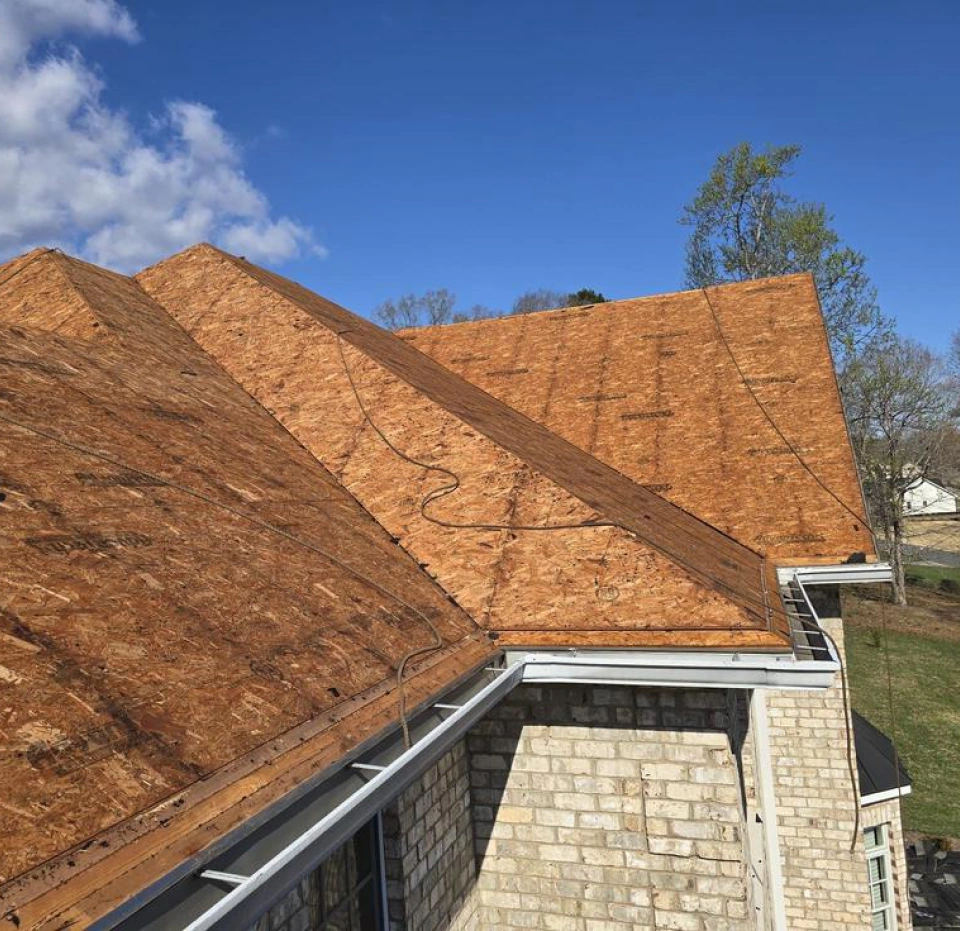
Ensure Proper Attic Ventilation
Adequate attic ventilation regulates temperature and moisture levels that directly impact longevity. Poor airflow traps heat during summer months, causing shingles to age prematurely and increasing cooling costs. In winter, insufficient ventilation allows warm interior air to condense on cold surfaces, promoting mold growth and wood decay. Ice dams form when trapped heat melts snow unevenly, creating damaging freeze-thaw cycles.
Balanced ventilation systems combine intake vents along soffits with exhaust vents at ridges or gables. This configuration creates natural airflow that removes excess heat and humidity. Inspect vents regularly to ensure they remain unblocked by insulation, debris, or animal nests. Proper ventilation extends material life, reduces energy consumption, and prevents moisture-related structural damage that compromises entire systems.
Address Moss and Algae Growth Promptly
Dark streaks and green patches signal biological growth that threatens shingle integrity. Moss roots burrow beneath shingles, lifting edges and creating entry points for water. Algae retains moisture against surfaces, accelerating deterioration of protective granules. In humid climates like western North Carolina, these organisms thrive on north-facing slopes and shaded sections.
Gentle cleaning solutions specifically formulated for roofing materials remove growth without damaging shingles. Avoid pressure washing, which strips protective granules and voids manufacturer warranties. Zinc or copper strips installed along ridges release ions that inhibit future growth. Improving sunlight exposure through selective tree trimming creates less hospitable conditions for these moisture-loving organisms.
Trim Overhanging Tree Branches
Tree branches hanging within six feet of your roofline create multiple hazards. During storms, limbs scrape against shingles, accelerating granule loss and reducing weather resistance. Falling branches puncture roofing materials, while leaves and twigs accumulate in valleys and gutters. The shade cast by dense canopy growth promotes moisture retention, encouraging algae and moss development.
Regular trimming maintains safe clearance while preserving your landscape aesthetics. Focus on branches that directly overhang structures or grow close enough to make contact during windy conditions. This preventive measure reduces debris accumulation, minimizes physical abrasion, and improves air circulation across the surface. Professional arborists handle large branches safely, particularly near power lines or difficult-to-reach areas.
Keep Gutters Clean and Debris-Free
Clogged gutters rank among the leading causes of preventable water damage. Leaves, pine needles, and organic debris accumulate rapidly, especially during fall months when North Carolina hardwoods shed foliage. When gutters overflow, water pools near foundations, seeps under shingles, and creates conditions favorable for mold growth and wood rot.
Cleaning gutters twice annually, typically in spring and fall, prevents blockages that compromise drainage efficiency. For properties surrounded by trees, quarterly cleaning may prove necessary. During cleaning sessions, inspect downspouts for proper water flow and verify that extensions direct runoff away from foundation walls. Gutter guards reduce maintenance frequency but require occasional cleaning to maintain optimal performance.
Schedule Regular Professional Inspections
Annual professional inspections are the foundation of preventive maintenance. In Morganton and surrounding areas, the combination of seasonal temperature swings and mountain weather patterns creates unique stress on roofing systems. A qualified inspector identifies minor issues before they escalate into costly repairs, checking for loose or missing shingles, deteriorating flashing, and early signs of water infiltration.
Professional assessments provide documentation valuable for insurance purposes and warranty compliance. Many homeowners overlook subtle warning signs that trained eyes catch immediately. During inspection visits, technicians examine attic ventilation, assess structural integrity, and verify proper water drainage patterns. This proactive approach extends system lifespan by addressing vulnerabilities during their earliest stages.