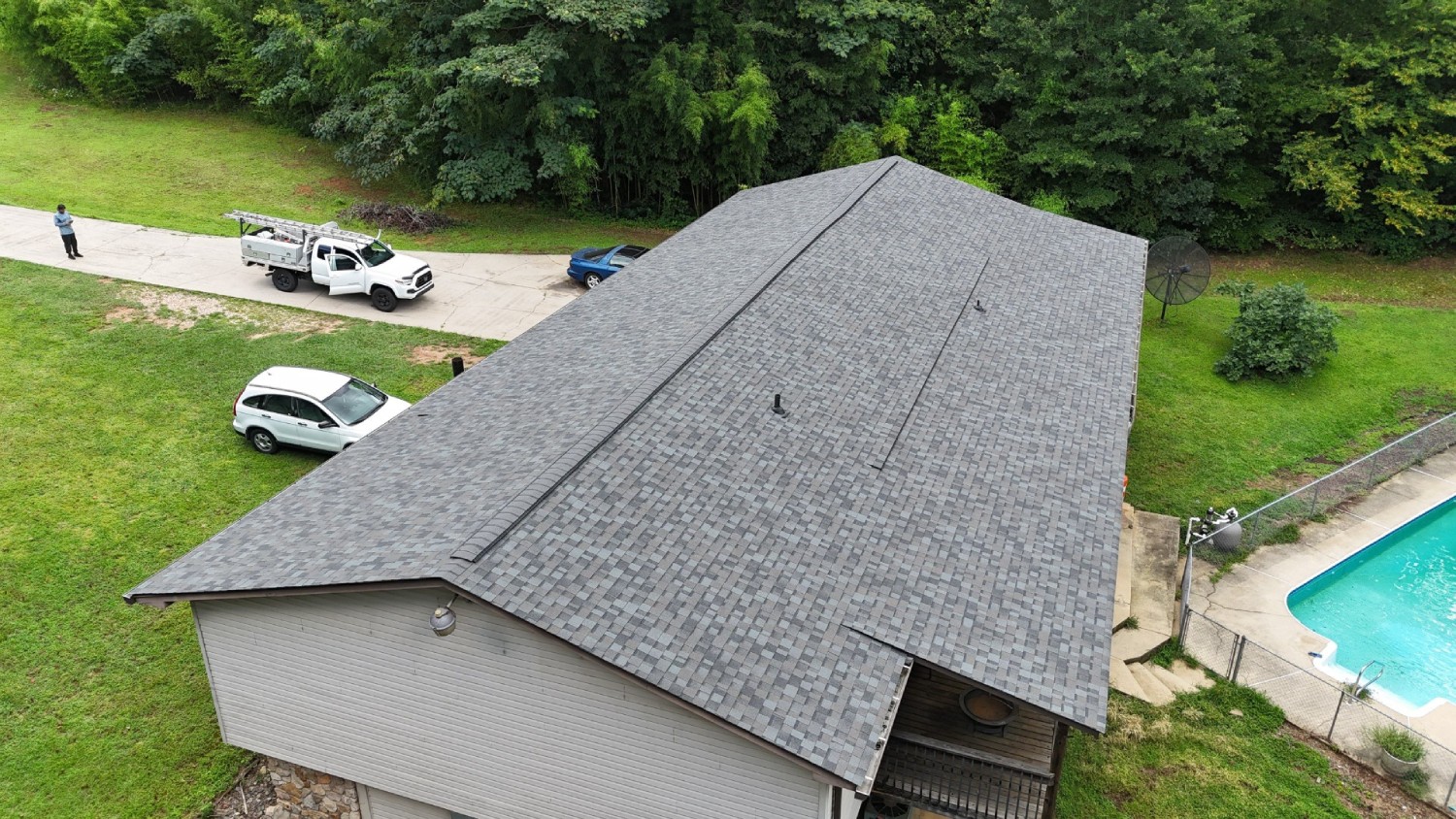
The Foundation of Your Roofing Decision
When you notice damaged shingles or signs of a leak, the temptation to tackle roof repairs yourself can be strong. With countless online tutorials and weekend warrior success stories, DIY roof repair seems like an achievable project that could save money. However, roofing systems are complex structures that protect your most valuable investment, and the decision between handling repairs yourself or hiring professionals deserves careful consideration.
In Morganton and throughout western North Carolina, homeowners face unique roofing challenges. Our region experiences dramatic temperature swings between seasons, heavy rainfall from mountain weather systems, and occasional ice accumulation during winter months. These environmental factors create specific demands on roofing materials and installation techniques that may not be immediately apparent to those without extensive experience.
Before you climb that ladder with tools in hand, asking the right questions can help you determine whether a DIY approach is genuinely appropriate for your situation or if professional assistance would better serve your long-term interests. The answers to these five critical questions will guide you toward making an informed decision that protects both your home and your investment.
Identifying What Lies Beneath the Surface
What appears to be a simple repair on the surface often conceals more extensive damage beneath. A few missing shingles might seem straightforward to replace, but the underlying issue could involve compromised decking, damaged underlayment, or moisture infiltration that has already begun affecting structural elements.
Roofing problems rarely exist in isolation. Water follows the path of least resistance, meaning a leak visible in your ceiling might originate from damage several feet away from where you see water stains. Without professional training in roof inspection techniques, identifying the true source and extent of damage becomes challenging. Many homeowners discover mid-project that what they assumed would be a simple patch job requires far more extensive intervention.
Consider whether you have the knowledge to properly assess hidden damage. Can you identify signs of rot in decking materials? Do you know how to check for adequate ventilation that prevents moisture accumulation? Are you familiar with the specific indicators of ice dam damage common in our mountain climate? If water has been entering your home for any length of time, structural concerns may extend beyond the roofing materials themselves into rafters, insulation, and interior ceilings.
Professional roof inspection services provide comprehensive assessments that reveal the complete picture. Trained specialists understand how different types of damage manifest and spread, enabling them to identify issues that untrained eyes typically miss. This thorough evaluation ensures that repairs address root causes rather than merely treating visible symptoms, preventing recurring problems that waste time and money.
Trim Overhanging Tree Branches
Tree branches hanging within six feet of your roofline create multiple hazards. During storms, limbs scrape against shingles, accelerating granule loss and reducing weather resistance. Falling branches puncture roofing materials, while leaves and twigs accumulate in valleys and gutters. The shade cast by dense canopy growth promotes moisture retention, encouraging algae and moss development.
Regular trimming maintains safe clearance while preserving your landscape aesthetics. Focus on branches that directly overhang structures or grow close enough to make contact during windy conditions. This preventive measure reduces debris accumulation, minimizes physical abrasion, and improves air circulation across the surface. Professional arborists handle large branches safely, particularly near power lines or difficult-to-reach areas.
Evaluating Risk and Protection Measures
Roofing consistently ranks among the most dangerous home improvement activities. Falls from roofs account for thousands of serious injuries annually, many involving homeowners attempting DIY repairs. The risks extend beyond simply working at height; factors like roof pitch, weather conditions, surface materials, and physical fatigue all contribute to accident potential.
Professional roofers invest extensively in safety equipment specifically designed for working at elevation. Proper fall protection systems include harnesses, anchor points, guardrails, and safety netting. They understand how to properly secure themselves while maintaining mobility to work efficiently. Do you own this specialized equipment, and more importantly, do you know how to use it correctly? Improper use of safety gear can create a false sense of security while providing little actual protection.
Beyond equipment, consider your physical capability for this demanding work. Roofing requires sustained physical exertion, often in challenging weather conditions. You will be carrying heavy materials, bending, kneeling, and working in awkward positions for extended periods. The combination of physical strain and height creates scenarios where momentary loss of balance or a misstep can have serious consequences.
Weather adds another layer of complexity, particularly in our mountain region where conditions can change rapidly. Morning dew makes shingles slippery until the sun dries them. Afternoon thunderstorms develop quickly during summer months. Working on a roof requires constant awareness of changing conditions and the judgment to know when to stop work. Professional crews make these assessments daily, understanding which conditions present acceptable versus unacceptable risk levels.
The financial savings from DIY repairs disappear quickly if an accident occurs. Medical expenses, lost work time, and potential long-term disability far exceed the cost of professional installation. Additionally, homeowners who injure themselves during repairs have no workers’ compensation coverage or liability protection that professional contractors carry.
Understanding Long-Term Protection and Coverage
Most roofing materials come with manufacturer warranties that provide valuable protection against defects and premature failure. However, these warranties typically include specific installation requirements that, if not followed precisely, void the coverage entirely. Many manufacturers explicitly require professional installation by certified contractors to maintain warranty validity.
The distinction between material warranties and workmanship warranties matters significantly. Material warranties cover defects in the shingles, underlayment, or other products themselves. Workmanship warranties cover installation errors and related problems. When you choose DIY installation, you receive no workmanship warranty whatsoever. If installation errors lead to leaks, blow-offs, or other failures, you bear full responsibility and cost for corrections.
Professional roofing companies like Woot Roofing LLC offer workmanship warranties that provide protection beyond material coverage. These guarantees ensure that if installation-related issues develop, they will be corrected at no additional cost. This protection has substantial value, particularly given the complexity of proper roofing installation and the severe consequences of errors.
Consider also the implications for your homeowner’s insurance. If DIY repairs fail and result in water damage to your home’s interior, your insurance company may deny claims based on improper repairs. Insurance policies typically expect homeowners to maintain their properties using appropriate methods and qualified professionals for complex systems. Documentation of professional installation and repairs strengthens your position should you need to file claims related to your roofing system.
Before proceeding with DIY repairs, review your existing roof warranty documents carefully. Contact the manufacturer directly to ask specific questions about how self-performed repairs affect coverage. Understanding what protection you might be sacrificing helps quantify the true cost comparison between DIY and professional approaches.
Assessing Timeline Realities and Weather Constraints
Roofing projects operate on nature’s schedule, not yours. Once you begin removing damaged materials, your home becomes vulnerable to weather. An incomplete repair exposed to unexpected rain causes far more damage than the original problem you set out to fix. Professional crews complete most residential repairs in one or two days, minimizing exposure time. Can you commit to working continuously until the repair is properly sealed?
The learning curve for roofing techniques extends project timelines significantly. Tasks that experienced roofers complete quickly take considerably longer when you are learning as you go. Cutting shingles to fit valleys and edges, properly installing flashing around penetrations, and achieving weather-tight seals all require techniques developed through practice. What professionals accomplish in hours may take DIY enthusiasts entire weekends.
Weather windows in western North Carolina can be unpredictable. Summer afternoon thunderstorms develop rapidly. Spring and fall bring extended periods of unsettled weather. Winter obviously presents cold temperatures that affect material performance and working conditions. Professional crews monitor weather forecasts closely and schedule work during favorable conditions. They also have the flexibility to mobilize quickly when good weather arrives. Can you arrange your schedule with similar responsiveness?
Consider also the physical demands of sustained roofing work. Few homeowners maintain the conditioning for prolonged physical labor at height. Fatigue sets in more quickly than anticipated, slowing progress and increasing accident risk. Professional roofers build stamina through daily work, enabling them to maintain productivity and safety throughout long days. Your weekend project might stretch across multiple weekends as physical recovery becomes necessary between work sessions.
Incomplete repairs create liability that extends beyond weather damage. Open roof sections pose safety hazards to family members and visitors. They may also violate local building codes or homeowner association requirements. The pressure to complete work quickly, even when conditions are not ideal, leads to shortcuts and errors that undermine repair quality.