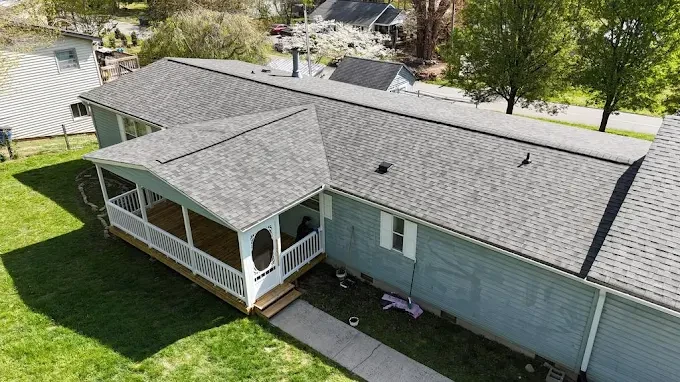
Why Roof Inspections Are Worth It
A roof isn’t something most people think about until there’s a leak. But by then, water may have already soaked your insulation or started to rot wood framing. That’s why regular roof inspections are so important. They help spot early signs of wear or damage that aren’t obvious from the ground.
What a good inspection can catch:
- Loose, missing, or curling shingles
- Signs of water creeping in
- Flashing or sealant that’s cracked or peeling
- Gutter issues that may cause water to back up
- Early signs of mold or wood rot
If you’re going through a roof inspection for insurance, timing and accuracy matter even more. Insurers often want documentation of the roof’s condition before covering storm damage or approving a policy.
1. Do a Quick Ground-Level Walkaround
You don’t need to climb up high to catch early warning signs. Start by walking around your home and looking at the roof from different angles.
Things to look for:
- Shingles that are missing, cracked, or slipping
- Dark streaks or patches that could mean algae or moss
- Visible sagging or dips in the roofline
- Overflowing or clogged gutters
Spotting these issues early makes it easier to get them addressed before they lead to more damage. If you’re preparing for a formal inspection, finding them first gives you time to fix the problem.
2. Check Inside the Attic
Your attic can say a lot about what’s going on above it. Even if your ceilings look fine, your attic might be showing signs of trouble. It’s often the first place where water damage, rot, or poor ventilation shows up.
What to check:
- Damp insulation or dark spots on the wood
- A musty smell or signs of mold
- Light shining through where it shouldn’t
- Rusted nails or visible drips after a storm
These issues may not seem major at first, but they add up. Addressing them early keeps your structure sound and helps avoid larger repairs.
3. Look at the Flashing and Roof Edges
The edges of your roof are the most vulnerable. That includes the flashing around chimneys, skylights, or vents, and the areas where your roof meets gutters and walls. If water is going to sneak in, this is usually where it starts.
Make sure to:
- Check metal flashing for cracks, rust, or peeling
- Look at roof valleys where two slopes meet
- Inspect sealant to see if it’s dried out or broken
- Make sure gutter edges haven’t pulled away from the fascia
If you’re getting a roof inspection certification, these areas will definitely be reviewed and included in the report.
4. Watch for Water Marks Inside Your Home
Sometimes the signs of a roofing problem show up inside first. If you’ve noticed ceiling stains, peeling paint, or a slow leak that comes and goes with the weather, your roof might be letting water in.
Common spots for water to show up:
- Around ceiling light fixtures
- In corners of upper-level rooms
- Near chimneys or skylights
- Around attic access points
Even if it seems minor, water damage spreads quickly. That’s one of the key benefits of regular roof inspections. Catching issues early helps you avoid the kind of damage that leads to major repairs.
5. Ask the Right Questions
If you’re hiring someone to do a full inspection, you want to know exactly what you’re getting. Whether it’s for insurance, a sale, or just yearly maintenance, a proper inspection should be clear and helpful, not rushed or vague.
Here are a few things worth asking:
- Will I receive photos or a written summary?
- Can this be used for insurance documentation?
- Do you include the attic and ventilation system?
- How long does a roof inspection take? Most take between 30 and 90 minutes
- How much does a roof inspection cost? In Morganton, it’s usually free with service or between $100 and $150 if it’s a stand-alone job
A detailed report gives you a full picture of your roof’s condition and what, if anything, needs attention.
Why It’s Better Not to Wait
Many people don’t schedule roof inspections until they suspect a problem. But waiting can mean missed warning signs. Getting an inspection once a year, or after heavy storms, gives you a better chance of staying ahead of costly repairs.
It’s especially important if:
- Your roof is over 10 years old
- You’ve had recent wind or hail
- You’re selling or refinancing your home
- You’re submitting a roof inspection for insurance approval
A Simple Roof Inspection Checklist for Homeowners
If you like staying ahead of problems, here’s a basic roof inspection checklist you can use between professional visits:
- Walk around and check for visible shingle damage
- Look for debris buildup in gutters and valleys
- Check the attic for signs of leaks or mold
- Inspect flashing and roof edges from the ground
- Keep an eye on interior ceiling stains or wall damage
While this doesn’t replace a professional inspection, it’s a great way to catch small problems before they grow.
Need a Roof Inspection in Morganton?
At Woot Roofing, we provide honest roof inspections for homeowners across Morganton. Whether you’re prepping for insurance, planning to sell, or just doing routine maintenance, we’re ready to help.
We’ll inspect the entire roof, check the attic, take photos, and explain what we find in plain terms. If repairs are needed, we’ll go over your options with no pressure and no pushy sales pitch.
Call Woot Roofing today to schedule your roof inspection and make sure your home stays protected from the top down.