Missing Shingles and Attic Leaks Tell You It’s Time
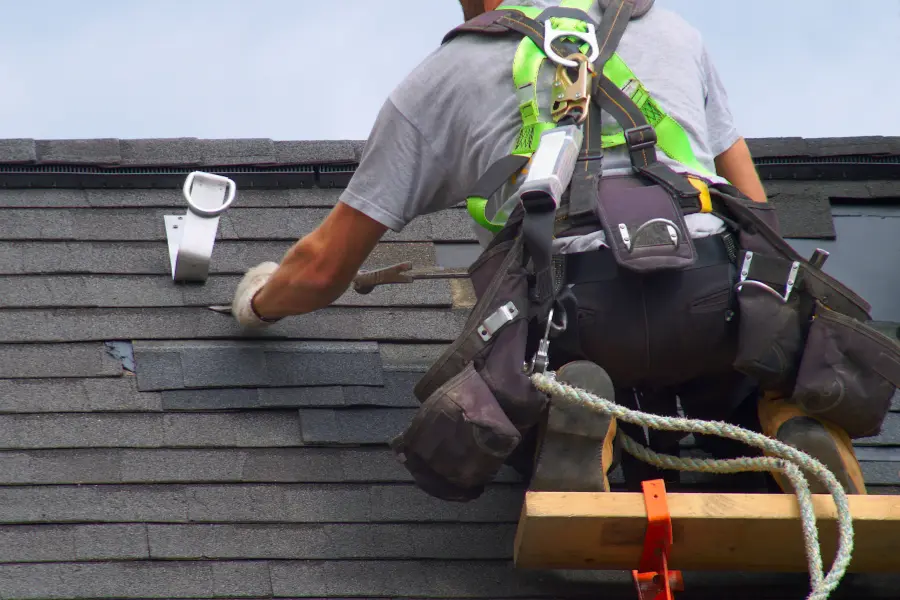
Walk around your house after one of those late spring storms that roll through the North Carolina mountains, and you might notice shingles lying in your yard or caught in the bushes. That’s your roof waving a red flag. Missing shingles create vulnerable spots where water can seep straight through to the underlayment, and once that barrier fails, you’re looking at rotted decking and interior damage.
Shingles go missing for a few reasons. High winds during summer thunderstorms can lift edges that weren’t sealed properly, especially on older roofs where the adhesive has weakened. Sometimes a heavy snow load in winter will stress shingles that were already brittle from age, and they’ll crack and blow off when the weather warms up. You might also see curling or buckling shingles that haven’t blown off yet but are clearly on their way out.
Head up to your attic on a rainy afternoon and look for wet spots on the underside of the roof deck or along the rafters. If you see water stains, drips, or even just damp insulation, you’ve got an active leak. Attic leaks usually start small, maybe just a dark streak on the wood, but they grow fast once water finds a pathway. The tricky part is that water doesn’t always drip straight down from where it enters. It can run along a rafter or beam for several feet before it finally shows up as a stain on your ceiling below.
In Morganton and the surrounding foothills, we see a lot of leak calls right after the spring snowmelt or during those multi-day soaking rains that settle into the valleys. That’s when even a small gap in your shingle coverage becomes a real problem. If you’re spotting either of these signs, it’s worth scheduling a professional roof inspection so you know exactly what you’re dealing with before the damage spreads into your living space.
Sagging Sections and Gritty Granules Point to Serious Trouble
Step back from your house and look at the roofline from a distance. If any section dips, sags, or just looks a little lower than it should, that’s not a visual quirk. It’s a structural warning. A sagging roof deck usually means the underlying supports (rafters, trusses, or decking) have weakened from prolonged moisture exposure or excessive weight. Sometimes it’s the result of years of small leaks that went unnoticed, rotting the wood bit by bit until it can’t hold its shape anymore.
Sagging is more common in older homes around here, particularly those built in the 1970s and 1980s when construction standards were a bit different. But we also see it in newer homes if there was a hidden leak or if the attic ventilation wasn’t adequate and moisture built up over time. Whatever the cause, a sagging roof deck isn’t something you can patch with a few shingles. It requires structural repair, and the longer you wait, the more expensive and invasive the fix becomes. In extreme cases, a compromised roof deck can lead to a partial collapse, especially under heavy snow load in winter.
Now let’s talk about what’s washing down into your gutters. When you clean them out in the fall (or hire someone to do it), take a close look at what’s sitting at the bottom. If you see a thick layer of dark, sand-like granules, your shingles are shedding their protective coating. Those granules shield the asphalt from UV rays and weather. Once they’re gone, the shingles age rapidly, become brittle, and start to crack and leak.
It’s normal to see a small amount of granule loss in the first year after a new roof is installed, but if you’re finding heavy deposits year after year, your shingles are past their prime. This is especially true on south-facing slopes that get the most sun exposure in our area. If your gutters are overflowing with granules and your roof is more than 15 years old, you’re likely approaching the point where roof replacement makes more sense than ongoing repairs.
Damaged Flashing and Spreading Moss Signal Hidden Decay
Flashing is the thin metal trim installed around chimneys, skylights, vent pipes, and in the valleys where two roof planes meet. It’s designed to channel water away from these vulnerable joints, and when it fails, water goes exactly where you don’t want it. Look for flashing that’s bent, rusted, pulling away from the surface, or just plain missing. Sometimes caulk or roofing cement was used as a shortcut instead of proper metal flashing, and that sealant cracks and peels after a few seasons of freeze-thaw cycles.
Flashing problems are sneaky because they often cause leaks that don’t show up right away. Water may be trickling in during every rainstorm, slowly soaking the wood framing around your chimney or skylight, and by the time you see a stain on your ceiling, the damage behind the walls is already significant. We see a lot of flashing failures on homes in the higher elevations around Morganton where temperature swings are more extreme and metal expands and contracts more aggressively.
If your roof was installed more than a decade ago and the flashing has never been inspected or replaced, it’s worth having someone take a close look. Even a small gap can let in gallons of water over the course of a wet spring. Proper flashing repair isn’t a DIY job unless you really know what you’re doing; it requires careful removal of shingles, installation of new metal, and correct layering to ensure water flows over, not under, each piece.
Now let’s talk about the green stuff. Moss and algae love the shaded, damp areas of your roof, particularly on north-facing slopes or anywhere tree branches hang overhead and keep things cool and moist. Moss might look harmless or even charming, but it holds moisture against your shingles and works its way under the edges, lifting them slightly and creating pathways for water infiltration. Over time, this leads to rot in the underlying decking.
Algae (those dark streaks you see on many roofs) won’t directly damage your shingles, but it’s a sign that moisture is lingering too long, and it can make your roof age faster. If you’re seeing thick moss growth or heavy algae staining, consider having your roof professionally cleaned and inspected. In some cases, trimming back overhanging branches and improving attic ventilation can reduce future growth. But if the moss has been there for years, there’s a good chance the shingles underneath are already compromised and need attention.
Ceiling Stains and Climbing Energy Bills Reveal Hidden Problems
You’re sitting in your living room and you glance up at the ceiling. There’s a yellowish-brown stain spreading out in an irregular oval, or maybe just a small dark spot that wasn’t there last month. That’s water damage, and it means your roof has been leaking long enough for moisture to soak through insulation, saturate drywall, and finally show itself on the surface. By the time a ceiling stain appears, the hidden damage in your attic and wall cavities is usually far worse than what you can see.
Water stains often show up after heavy rains or during the spring melt when snow on the roof turns to slush and finds its way into any crack or gap. Don’t make the mistake of thinking a small stain is a small problem. Water spreads horizontally once it gets past your shingles, so a leak in one area might create stains several feet away. And once drywall or insulation gets wet, it becomes a breeding ground for mold, which brings its own set of health and repair headaches.
If you see stains, especially if they’re growing or you notice a musty smell in that part of the house, don’t wait. Get into the attic and try to trace the moisture back to its source, or better yet, call in a professional who knows what to look for. Sometimes what looks like a roof leak is actually condensation from poor attic ventilation, but either way, it’s a problem that needs fixing now, not later.
Here’s a sign most homeowners overlook: your heating and cooling bills are creeping up, even though you haven’t changed your thermostat habits. If your roof’s insulation is soaked from an undetected leak, or if your attic ventilation has failed, your HVAC system has to work much harder to keep your home comfortable. Wet insulation loses almost all of its R-value, meaning heat escapes in winter and pours in during summer.
In the North Carolina foothills, where we get cold snaps in January and hot, humid stretches in July and August, a compromised roof can easily add 20 to 30 percent to your energy bills. Most people assume their HVAC unit is aging or their windows are leaking, and they never think to check the roof. But if your energy costs are rising and you’ve also noticed any of the other warning signs on this list, the roof is a likely culprit. An energy audit or a thorough roof inspection can pinpoint whether your roof is costing you money every single month.
An Aging Roof and Visible Daylight Mean It’s Decision Time
Sometimes the warning sign isn’t a leak or a stain. It’s just the calendar. If your roof is 20 years old or more, it’s living on borrowed time, even if it looks fine from the ground. Asphalt shingles, the most common roofing material in our area, typically last 20 to 25 years under normal conditions. But normal doesn’t account for the severe summer thunderstorms, occasional ice storms, and the intense UV exposure that roofs get at higher elevations around Morganton.
An aging roof might not have obvious damage yet, but the materials are brittle, the sealant has degraded, and the underlayment is likely compromised. This is the stage where small problems turn into big emergencies very quickly. One windstorm or heavy snow can be the tipping point. If you know your roof is approaching or past the 20-year mark, it’s smart to have it inspected even if you haven’t seen any leaks. A proactive replacement on your timeline is far less stressful and less expensive than an emergency repair in the middle of winter.
Now grab a flashlight and head up to your attic during the daytime. Turn off the light and look at the underside of your roof deck. Do you see pinpricks or streaks of daylight coming through? If yes, you’ve got holes or gaps where the roofing materials have failed. Light coming through means water, snow, and cold air are also coming through. This is one of the clearest signs that your roof’s integrity is gone.
Daylight in the attic isn’t always easy to spot. You might only see it in certain areas, like near the ridge or around roof penetrations. But wherever you see it, it’s a problem that won’t fix itself. Those gaps will only get bigger as the materials continue to age and weather. If you’re seeing daylight and your roof is more than 15 years old, replacement is almost certainly the right move.
At Woot Roofing LLC, we’ve helped hundreds of homeowners in Morganton and the surrounding areas make the call between repair and replacement. If you’ve noticed any combination of these ten warning signs, the next step is a thorough inspection. We’ll walk your roof, check your attic, and give you an honest assessment of what’s needed and why. You’ll get a clear picture of your options, whether that’s a targeted repair to buy you a few more years or a full replacement that gives you decades of protection. Don’t wait until a small problem turns into a living room full of buckets. Give us a call at 8285022231 or visit our services page to schedule your free inspection today.